

Data is like oil. Many businesses and researchers rely on public data, acquiring it from various online sources. However, scraping this data can be quite challenging, especially when it comes to maintaining efficiency and ensuring compliance with legal and ethical standards. This is where the use of proxies becomes essential in enhancing the effectiveness of scraping public data.
The Role of Proxies in Data Scraping
Proxies serve as intermediaries between your scraping tool and the target website. When you utilize a proxy, your requests appear to come from different IP addresses. This significantly helps in preventing IP bans and rate limiting, which are common issues faced during data scraping.
Benefits of Using Proxies for Scraping
- Enhanced Anonymity: Proxies mask your actual IP address, making your scraping activities more discreet. This anonymity is critical to avoiding detection by websites that might limit access based on IP frequency.
- Increased Access: Many websites restrict the amount of data a single user can pull. By using proxies, you can distribute the load across multiple IP addresses, allowing you to access more data without raising red flags.
- Geolocation Options: Having proxies from different regions allows you to scrape localized data. This is particularly useful for businesses that need to analyze trends in various geographical markets.
- Improved Scraping Speed: By rotating IP addresses, you can reduce the response time from target servers, enhancing the speed at which you can gather information.
Types of Proxies to Consider
Choosing the right type of proxy is crucial for effective data scraping. Here are some popular options:
- Datacenter Proxies: These proxies come from data centers and are generally faster and cheaper. They are ideal for basic scraping tasks but may be more easily detected by websites.
- Residential Proxies: These proxies use IP addresses assigned to actual homeowners. They are less likely to be flagged, making them suitable for more sensitive scraping tasks.
- Mobile Proxies: Utilizing IP addresses from mobile devices, these proxies are perfect for scraping mobile websites or apps. They offer high anonymity but may come at a premium price.
Best Practices for Scraping Public Data Using Proxies
To maximize the benefits of proxies while scraping public data, consider the following best practices:
- Rotate Your Proxies: Frequently changing your proxy IP addresses can help you avoid getting blocked. Many proxy services offer automatic rotation features.
- Respect Robots.txt: Always check the robots.txt file of the website you intend to scrape. This file outlines the site’s scraping policies and helps you stay compliant.
- Set Rate Limits: Throttle your scraping speed to mimic human browsing behavior. Abrupt high-volume requests can trigger bans.
- Validate Data Regularly: Ensure that the data obtained from scraping is accurate and relevant. Regular checks can help maintain the quality of your dataset.
Legal and Ethical Considerations
While scraping public data is often legal, it is important to understand the regulations associated with the data you are collecting. Always prioritize ethical scraping practices. Avoid scraping sensitive information and follow website’s terms and conditions to prevent potential legal issues.
Employing proxies while scraping public data is not just about staying anonymous; it’s about optimizing the scraping process itself. By boosting access, enhancing speeds, and maintaining compliance with legal standards, proxies play a crucial role in effective data gathering. Whether you are running a business, conducting research, or gathering insights, leveraging proxies will provide you with a competitive edge in data scraping. In the ever-evolving digital landscape, do not underestimate the importance of using the right tools for your data needs.
Legal Considerations and Ethical Practices in Data Scraping
Data scraping has become a powerful tool for businesses and researchers alike, enabling them to gather information from various online sources. However, as with any powerful tool, it is essential to navigate the legal and ethical landscapes carefully to avoid potential pitfalls. This involves understanding the regulations that govern data scraping and adopting practices that respect the rights of data owners.
Many websites have terms of service that explicitly state whether or not their content can be scraped. Violating these terms can lead to account suspensions, legal actions, or other penalties. To protect yourself and your organization, always review the terms of service of any website you plan to scrape. Taking this step is crucial in ensuring you are operating within the legal framework and maintaining good relationships with data sources.
Intellectual property rights also play a significant role in data scraping. Copyright laws protect original content, and scraping material that is protected by copyright without permission can result in legal consequences. In some jurisdictions, scraping public data may be seen as a violation of the rights of the original creator. Understanding these laws can help you avoid legal trouble and respect the rights of content creators.
Beyond copyright issues, privacy concerns are paramount. Many data scraping projects involve personal data, which can be subject to privacy laws like the General Data Protection Regulation (GDPR) in Europe or the California Consumer Privacy Act (CCPA) in the United States. These laws set strict guidelines for collecting and processing personal information. Always ensure that you are compliant with relevant regulations when scraping data that includes personal identifiers.
Consider implementing a transparent data scraping policy. This policy should outline how you collect, store, and use the data. Transparency not only builds trust with users and data providers but also contributes to ethical practices in data collection. It’s also wise to include a mechanism for users to opt-out if they wish. This is not just a respectful approach but can also safeguard you against potential legal challenges.
Following ethical guidelines ensures that data scraping is done responsibly. Here are some best practices to consider:
- Respect Robots.txt: This file on a website indicates how web crawlers should interact with the site. Always review and adhere to its instructions.
- Limit Request Frequency: Avoid overwhelming a server with too many requests in a short time. This approach not only respects the website’s bandwidth but also minimizes the risk of getting your IP blacklisted.
- Disclose Your Intent: If feasible, inform the website owners about your scraping activities. Open communication can pave the way for a more ethical relationship and allows for potential collaboration.
- Scrape Only What You Need: Gathering only necessary data minimizes the impact on the source website and reduces privacy concerns.
Always be mindful of ethical considerations when scraping data. The intent behind scraping can often impact its legality and morality. For example, scraping data to build a competitive edge can be viewed negatively, while using the same data for educational purposes might be seen in a more favorable light. Understanding these nuances is vital for maintaining a good reputation and ensuring ethical data practices.
Another important aspect is the data storage and usage policy. Once you’ve scraped the necessary data, ensure that it is securely stored and used only for the intended purpose. This means implementing robust data protection measures and considering the ethical implications of how this data will be used. For example, using scraped data to manipulate or deceive users not only crosses ethical boundaries but could also lead to severe legal repercussions.
Be aware that laws around data scraping vary by region and can rapidly evolve. What may be acceptable today could change tomorrow, making continuous monitoring of the legal landscape essential. Staying informed about changes in the law and adapting your practices accordingly will help mitigate risks and ensure compliance.
Navigating the complexities of data scraping requires a thorough understanding of both legal and ethical responsibilities. By taking the time to educate yourself and implementing responsible practices, you can unlock the full potential of data scraping while safeguarding yourself and your organization against potential risks. Always remember that being ethical is not only about avoiding legal issues; it’s about fostering respect for the digital environment and all its stakeholders.
Conclusion
Using proxies for scraping public data is not merely a technical choice; it’s an essential strategy for maximizing efficiency and safeguarding your scraping activities. Proxies enhance your ability to gather vast amounts of information from various sources while minimizing the risks of IP bans and throttling. This ensures that your data collection processes run smoothly and remain uninterrupted, allowing you to focus on analysis and decision-making.
However, the power of scraping comes with responsibilities. Engaging in ethical practices and adhering to legal considerations cannot be overlooked. It’s crucial to respect the terms of service of the websites from which you are collecting data. Always ensure that your scraping activities remain compliant with regulations, such as GDPR or CCPA, which guide how personal data is handled. Being transparent about your intentions and utilizing data responsibly fosters trust and helps to build a positive reputation in the online community.
Ready to scale your business with proxy technology? Discover advanced data collection solutions designed to manage the technical challenges behind the scenes—so you can concentrate on extracting valuable insights, driving smarter decisions, and growing your business without worrying about the underlying infrastructure.
Ultimately, the balance between technical prowess and ethical responsibility defines a successful data scraping endeavor. By leveraging proxies wisely and committing to ethical practices, you can unlock valuable insights while respecting the rights of data sources. This harmony between efficiency and integrity will not only elevate your data scraping efforts but also pave the way for sustainable and productive relationships in the digital landscape. Embrace these principles, and you’re sure to make the most out of your public data scraping projects.
You May Also Like
 Computers & PC Games
Does a VPN Really Improve Minecraft Ping and Performance?
 VPNs & Proxies
Why You Should Use a VPN for Minecraft Servers
 VPNs & Proxies
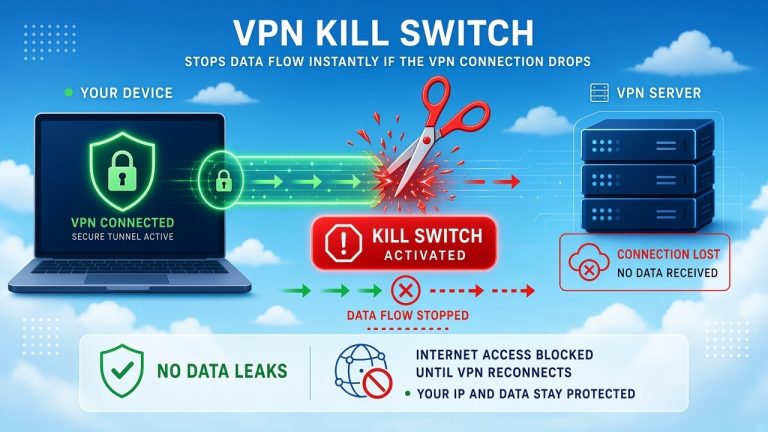
What Is a VPN Kill Switch and Why Is It Important?
 Computers & PC Games
Is RomsFun Safe and Legit? My Complete Review and Testing Experience
 VPNs & Proxies
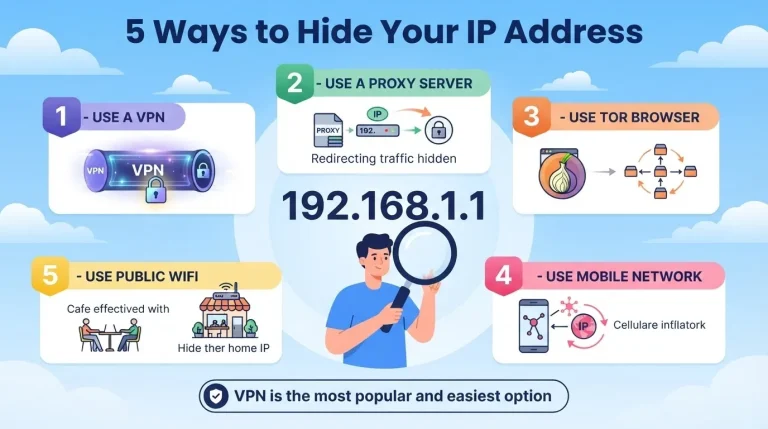
How to Hide Your IP Address and Protect It: 5 Best Ways
 VPNs & Proxies