

Finding cheap satellite internet providers is about more than spotting the smallest number in an ad. Promotions may last only a few months, equipment and installation can add to your bill, and some “unlimited” plans may slow down or receive lower priority after you use a certain amount of higher-priority data.
For U.S. households in rural areas without cable, fiber, or dependable fixed wireless, the main satellite internet providers to compare are Hughesnet, Viasat, and Starlink. Hughesnet and Viasat often advertise lower introductory prices. Starlink may cost more, but its low-Earth-orbit network can provide lower latency, which may help with gaming, video calls, and other activities where responsiveness matters.
Quick answer: Hughesnet and Viasat may have the lowest promotional rates, while Starlink may offer a better fit for households that prioritize speed and responsiveness. Actual availability, monthly cost, speed, and value depend on your service address and the plan offered there.
Pricing note: Figures below are advertised starting prices and plan details available at the time of review. Prices, promotions, equipment charges, and availability can change and may vary by location. Check the provider’s broadband label and final order summary before signing up.
Cheap satellite internet providers at a glance
| Provider or plan | Advertised starting price | Data details | Editorial rating | Best for |
|---|---|---|---|---|
| Hughesnet | From $39.99/month during a promotion | Unlimited Standard Data; Priority Data amounts vary by plan | 3.4/5 | Lower promotional pricing and basic household use |
| Viasat Essentials | $39.99/month for the first 3 months, then advertised starting rate of $99.99/month | 150 GB High-Speed Data, then unlimited Standard Data | 3.2/5 | Light-to-moderate use and a low initial bill |
| Viasat Unleashed | $69.99/month for the first 3 months, then advertised starting rate of $99.99/month | Unlimited High-Speed Data, subject to Viasat’s usage policy | 3.6/5 | Higher data use and month-to-month service |
| Starlink Residential | Starts at $55/month; plans and prices vary by address | Unlimited data; lower-cost tiers may be deprioritized during busy periods | 4.0/5 | Households prioritizing speed and responsiveness |
How these ratings work
These are editorial ratings, not customer-review averages or results from hands-on testing. They weigh advertised price and value, data terms, plan flexibility, expected responsiveness based on satellite technology, and how clearly shoppers can compare the offer. Local coverage, congestion, installation conditions, and the final quote can change the experience. A rating is a starting point for comparison not a guarantee of service quality or reliability at your home.
Which satellite internet provider is best?
- Hughesnet may suit people seeking a lower advertised promotional price for browsing, email, and occasional streaming, provided the plan’s Priority Data and contract terms work for them.
- Viasat Essentials may fit light-to-moderate users who want a low first bill and can plan around its High-Speed Data allowance.
- Viasat Unleashed may be worth considering if you use more data or value a month-to-month plan, but compare the standard monthly rate after the promotion.
- Starlink may suit people who value responsiveness for video calls, gaming, or interactive work and can manage the equipment cost. Residential Lite may be a lower-cost option where available, with possible peak-time speed trade-offs.
If a wired provider is available, compare it before ordering satellite service. Cable and fiber may offer a better mix of speed, latency, reliability, and price in some locations. Our guide to what internet speed you need can help you decide whether a plan’s advertised speed fits your household.
1. Hughesnet: a lower starting price with plan details to check
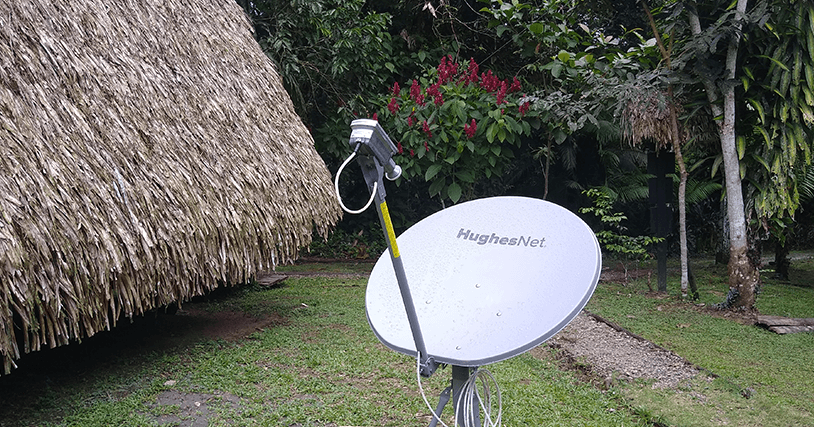
Hughesnet advertises residential plans starting at $39.99 per month for 12 months, although offers and service availability can vary by geographic area. The provider lists speeds of up to 100 Mbps on some plans. Its residential service includes unlimited data, but plans also have specific amounts of Priority Data. Hughesnet says Standard Data may be slower than other traffic during high-traffic periods.
That distinction matters. “Unlimited” does not necessarily mean that every customer gets the same speed or priority throughout the month. Check the amount of Priority Data in the exact plan available at your address, what happens when it runs out, and the regular monthly price after the offer ends. Ask about the service term and any early cancellation fee, too.
Hughesnet may be a reasonable value for households with moderate use: web browsing, email, schoolwork, and some streaming. It may be less attractive if several people regularly stream high-definition video, make frequent video calls, or download large games and updates. Those activities can use substantial bandwidth or data, especially when happening at the same time.
Hughesnet also offers Fusion in some areas. The plan combines satellite and wireless technologies to improve responsiveness. It is not available everywhere, and its performance should not be assumed to match fiber or another wired connection. Confirm whether Fusion is offered at your location and review its specific terms.
Hughesnet pros
- Advertised starting price can be relatively low during the promotional period.
- Residential plans include unlimited Standard Data.
- Some plans advertise download speeds of up to 100 Mbps.
- Fusion may offer a more responsive experience in locations where it is available.
Hughesnet cons
- Promotional pricing does not necessarily reflect the long-term monthly cost.
- Priority Data amounts and plan details vary.
- Standard Data may be slower during busy periods.
- A contract or cancellation terms may affect the overall value.
Rating: 3.4/5. Hughesnet’s promotional price and rural availability can make it a useful option where wired broadband is absent. Its value depends heavily on the plan’s Priority Data, regular price, and contract terms. See the provider’s Hughesnet home satellite plans for current details.
2. Viasat: low promotional pricing, but compare the regular rate
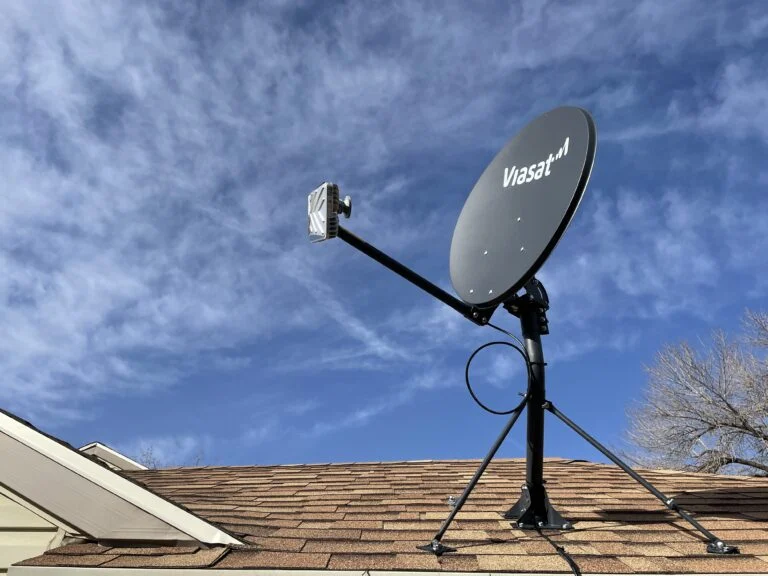
Viasat advertises two residential plans that show why the first-month price shouldn’t be the only factor in your decision:
- Essentials: Starts at $39.99 per month for the first three months, then the advertised starting rate is $99.99 per month. It includes 150 GB of High-Speed Data, followed by unlimited Standard Data.
- Unleashed: Starts at $69.99 per month for the first three months, then the advertised starting rate is $99.99 per month. It includes unlimited High-Speed Data and is described by Viasat as having no long-term contract.
On Essentials, customers can continue using Standard Data after their 150 GB High-Speed Data allowance, but Standard Data may be slower during congestion. Unleashed includes unlimited High-Speed Data, though Viasat’s usage policy can allow lower priority for unusually high data use when the network is busy. Read the specific terms rather than interpreting “unlimited” as a promise of identical speeds at all times.
Viasat may be worth comparing if you want professional installation, prefer Unleashed’s month-to-month arrangement, or need more data than a basic plan offers. Its satellite technology can still involve more latency than a wired connection or a low-Earth-orbit service. That can matter during video calls or gaming, even if the download speed is sufficient for streaming.
Viasat Essentials pros
- Low advertised price for the first three months.
- Includes a stated High-Speed Data allowance followed by Standard Data.
- May work for households with lighter or predictable internet use.
Viasat Essentials cons
- The regular advertised starting rate is substantially higher than the introductory rate.
- Standard Data may be slower during congestion after the High-Speed Data allowance is used.
- High data use, including HD streaming and large downloads, may make the plan less appealing.
Rating: 3.2/5. Essentials can be useful for a lower initial bill, but its long-term value depends on how well 150 GB of High-Speed Data fits your home and whether the post-promotion price works for your budget.
Viasat Unleashed pros
- Includes unlimited High-Speed Data, subject to the provider’s usage policy.
- No long-term contract, according to Viasat’s plan information.
- May be a better fit than Essentials for a higher-use household.
Viasat Unleashed cons
- Costs more than Essentials during the promotional period.
- The advertised starting rate rises after three months.
- Satellite latency and local network conditions can still affect responsiveness.
Rating: 3.6/5. Unleashed offers more flexibility and a broader data proposition than Essentials, but its standard rate is a major part of the decision. Check Viasat’s current satellite internet plans for terms and offers at your address.
3. Starlink: a higher-cost option that may be more responsive
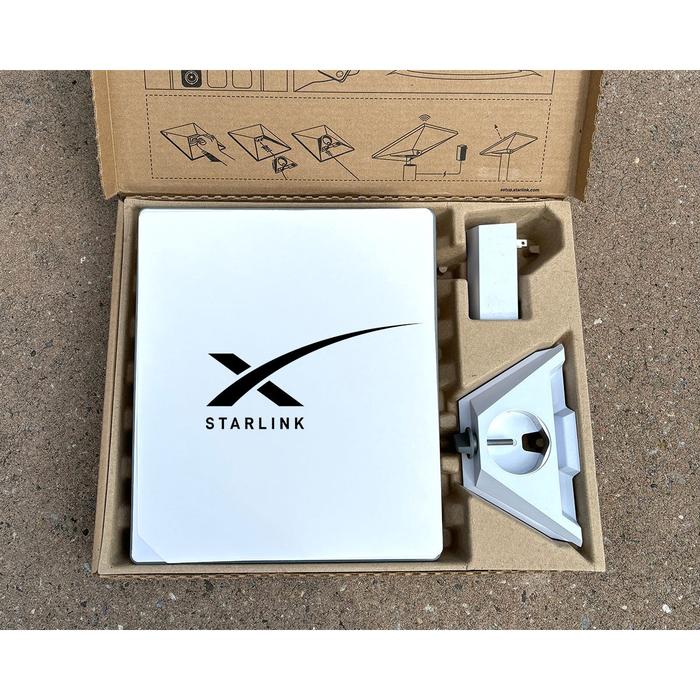
Starlink’s U.S. Residential service starts at $55 per month, but the plans and prices offered vary by location. Some customers may see Residential tiers with different speeds or prices. Residential Lite is available only in select areas. It includes unlimited data, but Starlink says Lite users may see slower speeds than standard Residential customers, especially during peak hours.
Starlink uses low-Earth-orbit (LEO) satellites, which orbit closer to Earth than the geostationary-orbit (GEO) satellites used by traditional satellite systems. The shorter distance can reduce the delay involved in sending data back and forth. That may help with video calls, online gaming, and other real-time activities. It does not guarantee the same performance for every home: obstructions, network congestion, weather, installation, and location can all affect the connection.
Remember to include equipment in your budget. The order page will show whether equipment is purchased, leased, discounted, or included in an offer, along with any shipping, taxes, and service-specific fees. Promotions can change, so verify the current terms before relying on a hardware price listed in an older review. Starlink also recommends checking for a clear view of the sky at the intended dish location.
Starlink pros
- LEO technology can offer lower latency than traditional GEO satellite service.
- Unlimited data is available on Residential plans.
- May be better suited to video calls, gaming, and interactive online tasks than traditional satellite service.
- Residential Lite may lower the monthly cost where available.
Starlink cons
- Monthly pricing and available tiers depend on the address.
- Equipment and shipping may add to the startup cost.
- Residential Lite can have slower speeds than standard Residential during busy periods.
- Coverage, congestion, and obstructions can affect real-world performance.
Rating: 4.0/5. Starlink may offer strong value to rural households that need more responsive internet and lack wired alternatives. The higher equipment cost and location-dependent pricing can make it less affordable for some budgets. For more detail, read our guides to Starlink Residential Lite and how much Starlink costs per month.
What affects the real cost of satellite internet?
A low “starting at” price may not be the amount you pay over a full year. Compare the following costs and service terms.
Promotional and regular monthly rates
Write down how long the promotional price lasts and what the regular rate will be afterward. Then compare the total cost over 12 months. A plan with a deep discount for three months can still cost more over the year than one with a smaller, longer-lasting promotion.
Equipment and installation
Satellite service usually needs a dish or antenna, a modem or router, and a suitable place to install the equipment. Providers may sell or lease hardware, include it in an offer, or charge separately for standard installation. Ask whether special mounting, longer cable runs, or other installation needs cost extra. Also confirm how to return leased equipment if you cancel.
Contracts and cancellation
Some plans require a minimum service term; others may be month-to-month. Check whether you could owe an early termination fee, whether equipment must be returned, and what happens if you move to an address outside the provider’s coverage area.
Data allowances and network management
An “unlimited” plan may still have a Priority Data or High-Speed Data allowance, or allow lower priority during busy periods. Ask what happens after you use the allowance, whether add-on data is available, and whether the provider’s policy changes speeds or traffic priority. The rules are plan-specific, so compare the exact broadband label and service terms.
Fees and add-ons
Taxes, surcharges, equipment leases, phone service, technical support, and optional features may increase your bill. Review the full checkout summary. You can learn more about the FCC’s broadband label program through the FCC’s broadband labels page, which is designed to help consumers compare service price, speeds, data, and fees.
GEO vs. LEO: why latency matters
Satellite service can have very different latency depending on the satellite network. Traditional providers such as Hughesnet and Viasat use geostationary-orbit satellites. Starlink uses low-Earth-orbit satellites.
GEO satellites are much farther from Earth. That distance adds delay as data travel between your home, the satellite, and a ground network. LEO satellites orbit closer, which can reduce that delay, although actual latency varies with location and network conditions. The Congressional Research Service explains the differences in its report on LEO satellites and broadband access.
Latency is the time it takes for information to travel between your device and an online service and back. It can affect gaming, remote work, and the natural flow of a video call. A connection might download a large file at a reasonable speed while still feeling slow to respond in a live conversation or game. If gaming is a priority, see our guide to whether Starlink is good for gaming and tips on how to reduce lag in online games.
Is satellite internet good for streaming, gaming, and video calls?
It can be, but the answer depends on your provider, plan, local conditions, and the number of people using the network at once.
- High-definition video and streaming: Satellite internet can support streaming, but HD video uses more data than lower-resolution video. Several people streaming at once can also put more demand on your connection. If your plan has a High-Speed or Priority Data allowance, check what happens after it is used.
- Video calls: Upload speed, latency, and stability matter alongside download speed. A high-latency connection may make conversations feel delayed. If you work from home, ask providers about plan-specific upload speeds and consider how often you’re on calls.
- Gaming: Download speed matters for game updates, but latency and stability are particularly important during multiplayer matches. LEO satellite service may offer a more responsive experience than GEO service, but results vary. Large game downloads can also use significant data. See our guides to Fortnite’s PC game size and GTA 5’s PC size.
- Browsing and schoolwork: These tasks can work well on satellite service, though performance can change during congestion or after a data priority threshold.
Rural coverage and availability: what to check first
Satellite internet is often considered by people in rural areas where wired broadband is unavailable or unreliable. Still, a provider’s general national coverage does not confirm that a particular plan is available at your address. Enter your exact location in each provider’s availability checker and compare the plan and price it shows.
It’s also worth checking cable, fiber, fixed wireless, and 5G home internet. These may offer better speed, latency, or value where coverage is strong. Satellite can be valuable where terrain, distance, and low population density make building terrestrial networks more difficult. Read about fiber internet benefits and how it works before ruling out wired service.
For RVs and travel, don’t assume a residential plan can be used anywhere. Providers may have separate mobile plans, coverage rules, or service terms. Our guides to Starlink for RV internet and satellite internet for RVs explain what to compare.
What about Amazon Leo?
Amazon Leo, formerly Project Kuiper, is Amazon’s low-Earth-orbit satellite broadband initiative. Amazon describes its planned network as offering high-speed, low-latency connectivity, but planned capabilities are not the same as a consumer plan you can order at a specific address. Compare Amazon Leo with current providers only when service availability, retail pricing, equipment costs, and terms are published for your area. Check Amazon’s official Leo updates for announcements.
How to choose the best-value satellite plan
- Check availability at your exact address. Plans and pricing vary by location.
- Compare the full first-year cost. Include the promotional rate, standard rate, equipment, installation, shipping, taxes, and fees.
- Read the data policy. Look for Priority Data, High-Speed Data, Standard Data, and congestion rules.
- Check the contract. Confirm the service term, cancellation fee, and equipment-return process.
- Match speed and data to your needs. Consider streaming, video calls, gaming, work, and how many people will use the network at once.
- Consider reliability and setup. Ask about installation requirements, obstructions, and support options.
- Compare the provider’s reputation carefully. Provider names are well established, but customer experiences can vary by location, installation, and support issue. Look for recent reviews from customers in your region and read what they say about the specific issue that matters to you.
- Review the broadband label and final quote. Make sure the written offer matches what you were told.
Frequently asked questions
What is the cheapest satellite internet provider?
There is no single cheapest provider for every U.S. address. Hughesnet and Viasat advertise introductory rates starting around $39.99 per month, but their promotions, data policies, and regular prices differ. Compare the full year’s cost and the terms available at your address.
Is Starlink cheaper than Hughesnet or Viasat?
Starlink’s Residential service starts at $55 per month, while some Hughesnet and Viasat promotions begin at lower monthly rates. However, equipment costs, promotion length, regular rates, and service tiers can change the total cost. Compare the full quote rather than just the advertised monthly price.
Does unlimited satellite internet mean unlimited speed?
No. “Unlimited” does not necessarily mean speed and traffic priority remain the same throughout the month. Some plans distinguish between higher-priority data and Standard Data, or may prioritize traffic differently during congestion. Read the policy for the specific plan.
Can I play online games using satellite internet?
Yes, but the experience depends on the type of satellite connection, the game, and network conditions. GEO satellite latency may feel noticeable in fast-paced games. LEO services such as Starlink may be more responsive, but performance is not guaranteed at every address.
Final verdict: Which cheap satellite internet provider should you choose?
For a low promotional monthly bill, compare Hughesnet and Viasat Essentials, but check how the regular price and data policy affect long-term value. Viasat Unleashed may suit higher-use households that want month-to-month service, as long as its standard price fits the budget. Starlink may cost more initially, but its lower-orbit network can be a better match for households that prioritize responsiveness for streaming, gaming, video calls, and interactive work.
The best cheap satellite internet provider is the one that is available where you live, fits your household’s data needs, and remains affordable after all fees and promotions are counted. Compare the broadband label, equipment terms, and cancellation policy before you commit.
You May Also Like
 Internet
DISH vs Optimum vs Hughesnet: Which Is Better for Internet, TV, and Gaming?
 Computers & PC Games
How to Reduce Ping: 8 Fixes That Actually Help (PC, PS5, and Xbox)
 Internet
Is Tachus (Ezee Fiber) Internet a Good Provider? Complete Review & Plans
 Internet
Wi-Fi Connected but No Internet? Find the Cause and Fix It
 Internet
Is 1000 Mbps Good for Gaming? What 1000 Mbps Internet Speed Really Means
 Internet