

Starlink Residential Lite is a budget-friendly option for those who need internet at home. It costs $80 a month and offers speeds of 50 – 100 Mbps. You get unlimited data, but speeds might slow down during busy times.
This plan is great for families who don’t need a lot of internet. It’s cheaper than the standard Residential plan by 33 percent. It uses the same satellites as other Starlink plans but gets lower priority when the network is busy.
Starlink Residential Lite is perfect for small households. It’s ideal for families who just need internet for basic things like browsing, email, and streaming. It’s not for heavy users or those who need lots of bandwidth at once.
How Does Starlink Residential Lite Work?
Starlink Residential Lite uses SpaceX’s constellation of low Earth orbit satellites to connect your home to the internet. It works like other Starlink plans but costs less. The main difference is in pricing and network priority.
You’ll need to install a Starlink dish at your home. It talks to satellites 550 kilometers above Earth. Your internet then goes to ground stations and the internet. This whole process is fast, making it better than old satellite internet.

Network Priority System
Residential Lite users get lower priority than Residential users. This means you might get slower speeds when lots of people are online. Residential users get first dibs on bandwidth, and Lite users get what’s left.
The system works automatically, so you don’t have to do anything. During quiet times, Lite users get speeds similar to Residential users. But when it’s busy, Lite users might see slower speeds.
Starlink Residential Lite vs Standard Residential Plan
Knowing the differences between these plans helps you choose the right one for you. It’s all about what you need and how much you want to spend.
Price Comparison
The biggest difference is the price. Residential Lite costs $80 a month, which is 33 percent less than Residential. This means you save $40 a month, or $480 a year. It’s a big savings for those watching their budget.
Both plans need the same hardware at first. The only difference is the monthly fee. That’s the only cost that varies between the two plans.
Speed and Performance
Residential Lite offers speeds of 50 – 100 Mbps. Residential users get 150 – 250 Mbps. Lite users get slower speeds, but it’s enough for most home use.
Residential users get faster speeds, from 100 – 270 Mbps. They also get faster upload speeds, from 10 – 25 Mbps. This is better for families with lots of users or heavy internet use.
Data Usage Policies
Starlink doesn’t limit data on Residential or Residential Lite. Both plans offer unlimited data. You can stream, download, and browse without worrying about data limits.
But, Starlink has a fair use policy. Heavy users might see slower speeds or service limits. This is if their use is way above what most households do. You can read more about this post to compare Starlink Residential vs Residential Lite.
Who Should Choose Starlink Residential Lite?
Residential Lite is for certain types of users and households. It’s for those who don’t need a lot of internet and are watching their budget.
Small Households with Basic Needs
Starlink’s Residential Lite is perfect for small homes with simple internet needs. It suits couples, single people, or small families. The plan is great for those who just want to browse the web, check emails, and watch videos now and then.
Budget-Conscious Users
For those looking for cheap satellite internet, Lite is a good choice. It’s cheaper than the standard Residential plan. This makes it a good option for those on a tight budget.
Rural and Remote Areas
Lite is ideal for homes in rural or remote places. These areas often lack fast internet options. Lite offers a reliable alternative to slow or expensive satellite internet.
Availability and Geographic Limitations
Residential Lite isn’t available everywhere Starlink is. Its availability depends on local network capacity and demand.
Service Area Restrictions
Starlink first offered Lite in 14 states. They plan to expand where it’s needed. They focus on areas with less network congestion and good satellite coverage.
Places with lots of people or heavy Starlink use might not get Lite right away. SpaceX is working to cover more areas with new satellites and better network.
Fixed Location Requirements
Lite is for personal or household use at a fixed location. Unlike some plans, it can’t be moved. You must use it at the address you specify.
This rule helps SpaceX manage the network. It ensures everyone gets good service in each area.
Installation and Equipment Requirements
Setting up Lite requires the same equipment and steps as other Starlink plans.
Hardware Components
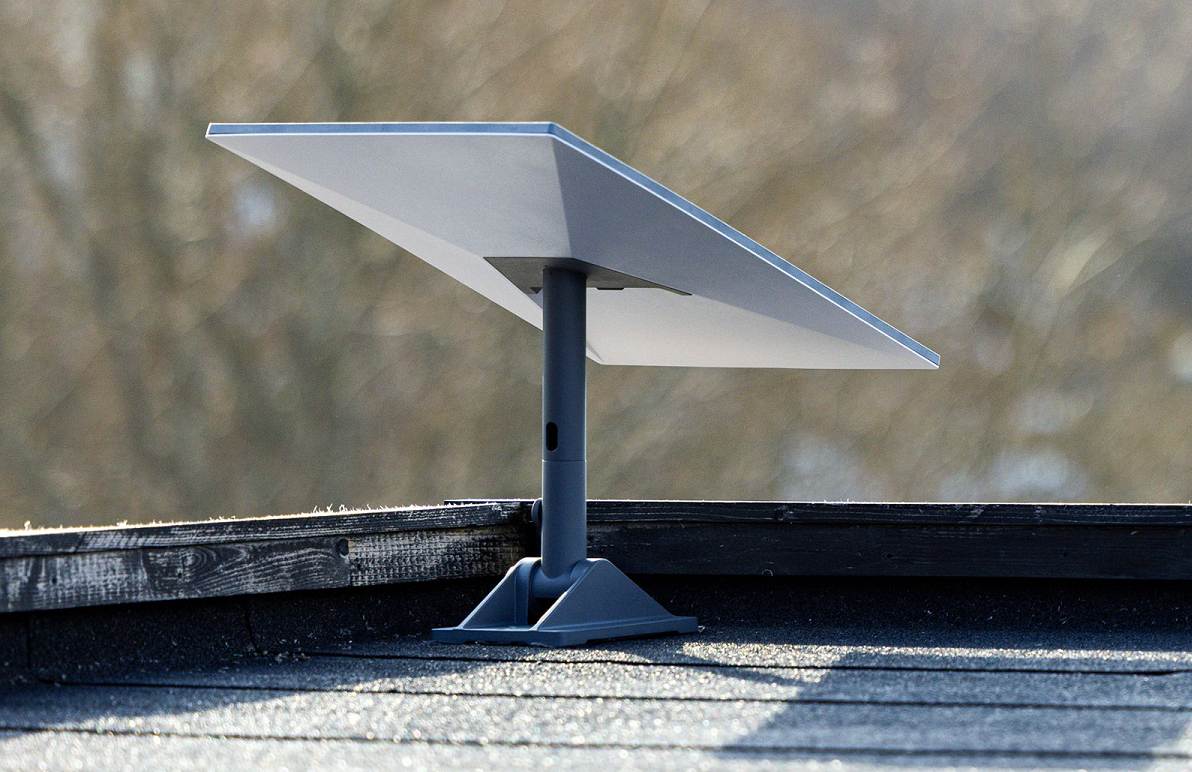
The kit includes a Starlink dish, a WiFi router, a power supply, and mounting hardware. The dish is about 12 inches wide and needs a clear view of the sky.
Obstacles like trees or buildings can affect signal quality. This might make your connection less reliable.
Installation Process
Most people can set it up themselves with the included instructions and app. It usually takes 1-2 hours. You’ll need to mount the dish, connect cables, and set up the network.
The Starlink app guides you through the process. It helps find the best spot for the dish and checks signal strength.
Performance During Peak Hours
Knowing how network prioritization affects your internet is key. This helps you understand what to expect from Lite service.
Peak Hour Performance
During busy times, Lite speeds might be slower than Residential. Busy hours are usually evenings and weekends when more people are online.
Lite users might see slower speeds for heavy activities like streaming HD videos. But, basic tasks like browsing and emailing should be fine.
Off-Peak Performance
During off-peak hours, Residential Lite users get speeds similar to standard Residential customers. The best times for Lite plan users are early morning, late night, and weekday daytime.
This means users can plan big downloads or updates during these times. It helps them use their bandwidth better.
Cost Analysis and Value Proposition
Looking at the total cost and value helps decide if Residential Lite fits your needs and budget.
Monthly Cost Savings
The Lite plan saves $40 a month compared to standard Residential. Over a year, that’s $480 saved. Over two years, it’s $960.
This savings can help pay off the initial cost of the equipment. It also saves money in the long run for those with limited internet budgets.
Value Comparison with Traditional Internet
In rural areas, Starlink Residential Lite offers better value than traditional satellite internet. Traditional services cost $70-150 a month. They have data caps, slower speeds, and higher latency.
The Lite plan has unlimited data. This means no worries about overage charges or speed drops after using up your data. This is a big plus compared to traditional services.
Technical Specifications and Limitations
Knowing the technical details helps users decide if the service meets their needs.
Speed Specifications
Residential Lite speeds are 50 – 100 Mbps with no speed caps. These speeds are lower than standard Residential but meet the FCC’s broadband internet standards.
Speeds can vary based on network conditions, weather, and satellite availability. Users usually get higher speeds in good conditions and lower speeds during peak times or bad weather.
Latency and Gaming Performance
Starlink’s low Earth orbit satellites offer latency of 20-50 milliseconds. This is much better than traditional satellite internet, which can have over 600 milliseconds latency. This low latency makes online gaming and video conferencing more enjoyable.
But, during peak hours, Lite users might see slightly higher latency. This is because the network gives priority to other users.
Future Expansion and Service Evolution
Starlink is growing its network and service offerings. This could benefit Residential Lite users in the future.
Network Capacity Growth
SpaceX is launching more satellites to increase network capacity. As the satellite constellation grows, more areas may get access to the Lite plan. Existing users might also see better performance.
The goal is to deploy thousands of satellites. This should reduce network congestion and make the difference between Residential and Lite plans less noticeable.
Service Enhancement Plans
Future improvements might include better prioritization algorithms and weather resistance. These upgrades will benefit all Starlink users, including Lite plan users.
Frequently Asked Questions
Is Starlink Residential Lite available in my area?
Residential Lite is not available everywhere. Availability depends on local network capacity and demand. You can check availability on the Starlink website by entering your address.
Does Residential Lite have data caps?
No, Starlink doesn’t limit monthly data on Residential or Lite plans. Both plans offer unlimited data. Users can stream, download, and browse without worrying about data limits or overage charges.
Can I upgrade from Residential Lite to standard Residential?
Yes, users can upgrade their service plan through their Starlink account portal. The upgrade takes effect on the next billing cycle. The same equipment works with both plans.
Will Residential Lite work for video streaming?
Yes, it supports standard and high-definition video streaming with 50-100 Mbps speed. But, during busy times, you might see lower quality or buffering. This is because of how the network handles traffic.
Is the equipment the same for both plans?
Yes, both plans use the same Starlink dish, router, and mounting hardware. The only difference is in the service plan and how the network is managed.
Can I use Residential Lite while traveling?
No, it’s for personal or household use at a fixed location. You can’t use it while traveling or at temporary spots. It needs a specific service address.
How long are the contracts for Residential Lite?
No, there are no long-term contracts. You can cancel anytime without any early termination fees. This gives you flexibility with your internet needs.
What happens if I exceed normal usage patterns?
Depends, the plan has unlimited data but a fair use policy. Heavy users might see slower speeds or service limits if their use is way above average.
Conclusion
Starlink Residential Lite is a good choice for those wanting reliable satellite internet at a lower cost. It offers unlimited data, decent speeds, and low latency for $80 a month. This is 33% less than the standard Residential plan.
It’s best for small households with moderate internet needs. You might see slower speeds during busy times. But, it’s a big step up from traditional satellite internet.
The main benefits are unlimited data, no long-term contracts, and access to SpaceX’s advanced satellites. The downsides are slower speeds during peak hours, limited availability in some areas, and it must be used at a fixed location.
For rural and remote areas without cable or fiber, Residential Lite is a good option. It balances cost, performance, and reliability. It’s important to match your internet use with what the service can handle.
As SpaceX grows its network and improves service, Residential Lite users will see better performance and wider availability. It’s a practical choice for those wanting modern satellite internet without the high cost.
You May Also Like
 Internet
Is Xfinity Fiber or Cable? HFC, X-Class, and FTTH Explained
 Internet
Is Xfinity Mobile Good in 2026? Plans, Coverage, Speed, and Pros and Cons
 Internet
Why Is US Mobile So Cheap? What You’re Actually Getting
 Internet
How Can I Extend The Wi-Fi Range To A Room That The Signal Doesn’t Reach
 Internet
Step-by-Step Guide on How to Cancel Xfinity Internet
 Internet