
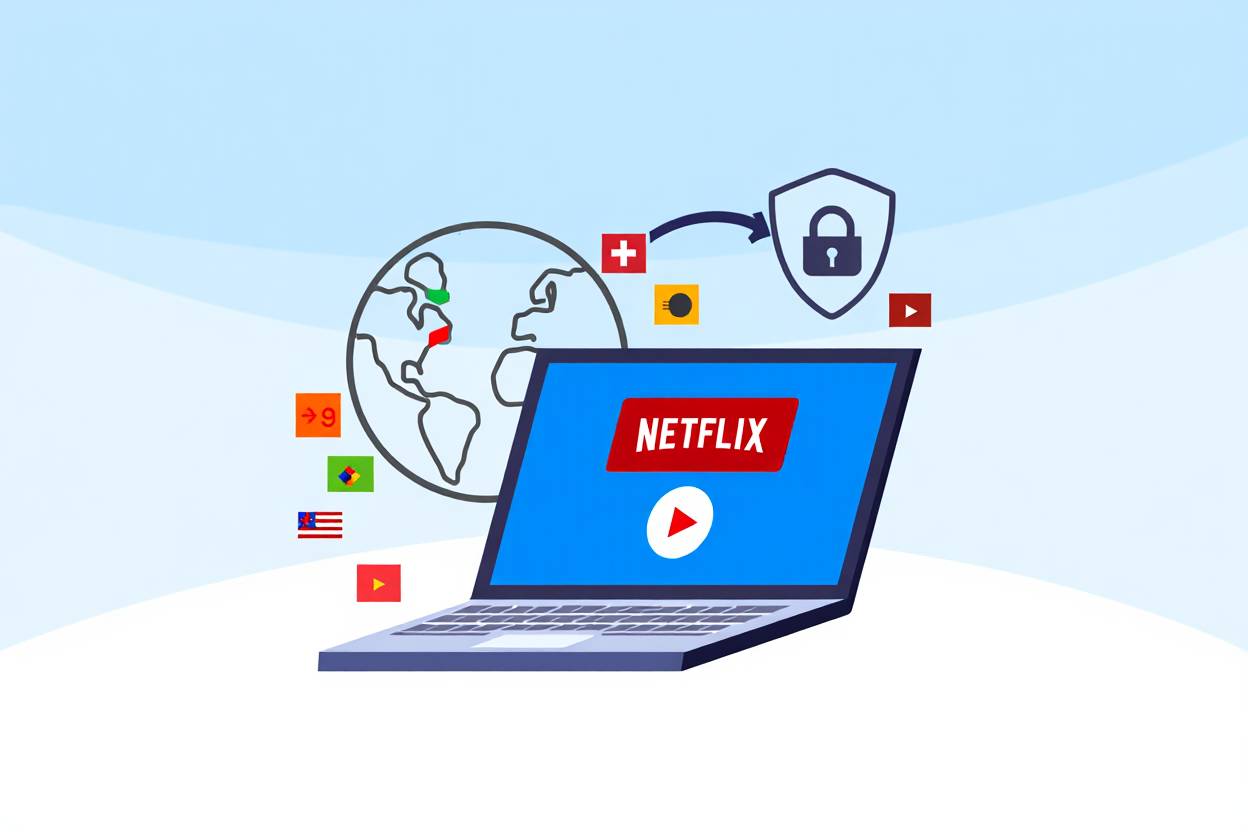
Many Netflix users want to know if they can use a VPN to access content unavailable in their region. A VPN, or Virtual Private Network, allows you to mask your IP address and appear to be browsing from a different location. But is this practice legal?
The legality of using a VPN to watch Netflix depends largely on the laws in your country. In most places, using a VPN is completely legal. However, your reasons for using a VPN and how you use it can influence that legality. For those concerned about safety, it’s worth exploring whether free VPNs are safe to use.
Understanding VPNs
A VPN is a tool that creates a secure connection between your device and the internet. It encrypts your data and hides your real IP address. This gives users the ability to access geographically restricted content, such as specific shows or movies on Netflix, which may not be available in their region. Many VPNs offer important security features like a VPN kill switch that protects your privacy if the connection drops.
Legal Perspectives Around the World
Here’s how various regions view VPN usage:
- United States: Using a VPN is legal, and many people use it for privacy and security.
- European Union: Generally legal, but some countries have specific laws that might limit what content you can access.
- United Kingdom: Legal to use, but accessing copyrighted content can lead to legal issues.
- China: Using a VPN is heavily restricted, and some VPNs are banned. Legal consequences can occur.
- Russia: Certain VPNs are blocked, and using them to access banned websites is illegal.
Netflix’s Terms of Use
While using a VPN might not be illegal, Netflix’s own policies take a stronger stance. According to their terms of service, users should only access the service in the country where they have established an account and should only access content available through that service. Netflix actively blocks VPNs to enforce these rules.
If you are caught using a VPN to bypass regional restrictions on Netflix, you might face a few consequences:
- Your account might receive a warning.
- Your access to that region-specific content could be restricted.
- In severe cases, your Netflix account might be suspended.
Potential Risks of Using a VPN for Streaming
While many enjoy the benefits of using a VPN, there are risks involved. Some VPN providers may log your streaming history, which could compromise your privacy. Additionally, not all VPNs can bypass Netflix’s security measures, which may lead to frustration when trying to access specific content.
Your Choices Moving Forward
If you are considering using a VPN to watch Netflix, keep the following points in mind:
- Choose a reputable VPN provider known for its ability to bypass streaming restrictions.
- Understand the terms of service from Netflix to avoid any violations.
- Be aware of the laws regarding VPN usage in your country.
Ultimately, while using a VPN to watch Netflix may not be illegal in many countries, it does come with its own set of risks and responsibilities. Staying informed and choosing the right approach can enhance your streaming experience while keeping you within legal bounds.
How VPNs Work: Bypassing Geo-Restrictions Effectively
In today’s digital world, geographical boundaries can limit access to various online content, particularly streaming services like Netflix. These geo-restrictions can be frustrating, but a Virtual Private Network (VPN) can help you navigate around them effectively. Understanding how VPNs work is essential for anyone looking to access content that’s not readily available in their location.
VPNs function by creating a secure and encrypted connection between your device and a server operated by the VPN service. When you connect to a VPN, your internet traffic is routed through this server. As a result, your original IP address is hidden, and it appears as if you are accessing the internet from the location of the server you are connected to. This process can help you bypass geographic restrictions imposed by various online platforms.
Here’s a brief overview of how it works:
- Step 1: Choose a VPN Provider: First, you need to select a reputable VPN service. Look for features like a strong privacy policy, multiple server locations, and fast speeds. For gaming enthusiasts, you might want to check out the best VPNs for gaming.
- Step 2: Install the VPN: Once you’ve chosen a provider, download and install the VPN application on your device.
- Step 3: Connect to a Server: Open the VPN app and select a server located in a country where the desired content is accessible.
- Step 4: Access Content: With your connection established, open your streaming service, like Netflix, and enjoy your favorite shows and movies.
Using a VPN to watch Netflix or other geo-restricted content is generally considered legal in many countries. However, it’s essential to understand the terms of service of the streaming platforms. Services like Netflix have policies against using VPNs to access content that is not available in your region, and they actively work to detect and block VPN traffic. This could result in your account facing restrictions or your connection being blocked.
The legality of using a VPN varies between countries. In many places, VPNs are perfectly legal and commonly used for privacy and security reasons. However, in a few countries, using a VPN can be against the law. Therefore, it’s crucial to check the regulations in your location to ensure you are operating within legal boundaries.
Benefits of using a VPN go beyond just accessing restricted content. For instance, a VPN can enhance your online security by masking your IP address and encrypting your data. This provides an added layer of protection against potential hacking attempts, especially when using public Wi-Fi networks. Moreover, a VPN can help you maintain your privacy by preventing your ISP from monitoring your online activity. For those concerned about online shopping safety, the safety of using VPNs for online shopping is worth exploring.
When selecting a VPN to bypass geo-restrictions, consider the following factors:
- Speeds: Streaming content requires fast internet speeds. Ensure the VPN you choose provides reliable and fast connections. You might want to check what internet speed you need for optimal streaming.
- Server Locations: A wide range of server locations allows you to bypass restrictions from multiple regions.
- Security Features: Look for VPNs that offer strong encryption protocols and a no-logs policy to safeguard your data.
- Compatibility: Ensure the VPN is compatible with your devices, whether it’s a computer, tablet, or smartphone.
Some common concerns about using a VPN include speed reduction, potential data leaks, and the possibility of facing account bans from streaming services. Many reputable VPN providers have implemented measures to minimize speed loss and offer features that enhance security, such as kill switches that stop all internet traffic if the VPN connection drops unexpectedly.
Utilizing a VPN to bypass geo-restrictions is an effective way to access your favorite content from anywhere in the world. While there are legal considerations to keep in mind, a reputable VPN can provide you with the security and flexibility you need for an unrestricted internet experience. Always stay informed and choose the right VPN to meet your streaming needs while keeping your online activity private and secure.
The Risks of Streaming with a VPN: What You Should Know
Streaming your favorite shows and movies with a VPN can be tempting, especially if it allows you to access content that might be restricted in your region. However, using a VPN comes with its own set of risks and challenges. Understanding these can help you make informed decisions about your streaming habits.
Understanding VPNs and Streaming
A VPN, or Virtual Private Network, allows you to create a secure connection over the internet. It masks your IP address, making it appear as if you’re browsing from a different location. While this can help you access geo-blocked content, platforms like Netflix have strict policies against it. If you’re thinking about using a VPN to stream, you should be aware of the following risks.
Legal Implications of Using a VPN
One of the most significant concerns is the legality of using a VPN for streaming. While using a VPN itself is legal in many countries, the act of bypassing regional restrictions on content can violate terms of service. Here are some points to consider:
- Streaming services like Netflix explicitly state that users should not use VPNs to access content not available in their region.
- While you may not face legal action, your account can be suspended or banned if detected using a VPN.
- In some countries, using a VPN to bypass restrictions may result in penalties or fines.
Security and Privacy Risks
Your data privacy is another critical factor when using a VPN. Although VPNs are designed to protect your data, not all services are created equal. Here’s what to keep in mind:
- Some free VPNs may sell your data to third parties, negating your privacy entirely. It’s important to understand if it’s safe to use a free VPN.
- Insecure VPNs can expose you to hacking and data breaches.
- A lack of encryption or poor security protocols can put your personal information at risk.
Performance Issues when Streaming
Using a VPN can affect your streaming experience. Here are some common performance-related issues:
- Slower connection speeds: VPNs can reduce your internet speed, resulting in buffering and lower video quality. If you’re experiencing speed issues, you might want to check what internet speed you need for optimal streaming.
- Server overload: Popular VPN servers may be overloaded, causing further slowdowns.
- Frequent disconnections: Unstable connections might interrupt your stream, resulting in a frustrating experience.
Potential for Account Suspension
Streaming platforms are continuously improving their ability to detect VPN usage. They regularly ban or blacklist IP addresses associated with VPN services. This can lead to:
- Your access being restricted, making it difficult to stream any content.
- Having to constantly change VPN servers to maintain access, which can be tiresome.
- Account suspension or closure, which means you could lose access to your favorite shows and movies altogether.
Legal Alternatives to Access Content
Rather than risking your account, consider legal alternatives to access content. Here are a few options:
- Look for platforms that offer a wider range of content in your region.
- Consider subscribing to services that provide access to desired shows or movies legally.
- Sometimes, content is available for purchase or rental on platforms like Amazon or Google Play.
While using a VPN to stream can seem like a quick fix to access geo-restricted content, it’s crucial to consider the legal implications, security risks, and performance challenges associated with it. Instead of potentially jeopardizing your streaming experience, exploring legal alternatives may be a wiser and more satisfying choice.
Top VPNs for Accessing Netflix Libraries Worldwide
If you’re a Netflix fan, you might have noticed that the platform offers different content libraries in various countries. This means that while some shows and movies are available in your country, they might be missing from the library of another region. A Virtual Private Network (VPN) can help you bypass these geographical restrictions, giving you access to a broader range of Netflix content. In this article, we will explore the top VPNs that can help you unlock Netflix libraries worldwide.
Why Use a VPN for Netflix?
Using a VPN is a popular method to access other countries’ Netflix libraries. Here are some reasons why you might consider using a VPN:
- Bypass Geo-Restrictions: A VPN masks your IP address and shows that you are in another location, allowing you to access content not available in your region.
- Privacy and Security: A VPN encrypts your internet connection, protecting your personal data and privacy while you stream.
- Improved Streaming Speeds: Some VPNs can help decrease buffering times, making your Netflix experience smoother.
For gamers who also want to stream content, you might be interested in whether VPNs are good for gaming.
1. ExpressVPN
ExpressVPN is widely regarded as one of the best VPNs for Netflix access. It has servers in over 90 countries, ensuring that you can connect to a location where your desired content is available. ExpressVPN offers fast speeds, making it a great choice for streaming. The user-friendly interface is perfect for both beginners and experts alike.
2. NordVPN
NordVPN is another excellent option for Netflix enthusiasts. With thousands of servers globally, it provides a wide range of IP addresses to choose from. The SmartPlay feature helps you bypass Netflix’s restrictions effectively. NordVPN also offers top-notch security features to keep your data safe while you browse or stream.
3. Surfshark
Surfshark is a budget-friendly option without compromising quality. It allows unlimited simultaneous connections, enabling you to use it on all your devices. Additionally, Surfshark’s NoBorders mode makes it easy to access Netflix libraries globally. The clean interface and fast speeds make it an ideal choice for streaming Netflix.
4. CyberGhost
CyberGhost is known for its user-friendly experience. It has dedicated servers optimized for streaming, ensuring you can watch your favorite Netflix shows with minimal buffering. With a vast network of servers, CyberGhost lets you switch locations effortlessly. Its streaming profiles help guide you to the best servers for Netflix access.
5. Private Internet Access (PIA)
Private Internet Access is a well-established name in the VPN market. It offers a large selection of servers and reliable performance for Netflix streaming. PIA is flexible, allowing users to customize settings according to their needs. The strong security measures help protect your browsing activities while accessing Netflix.
How to Use a VPN for Netflix
Using a VPN to access Netflix is straightforward. Follow these simple steps:
- Choose a VPN: Select one of the top VPNs mentioned above that suits your needs.
- Download and Install: Install the VPN app on your device and sign in with your account credentials.
- Select a Server: Choose a server located in the country of the Netflix library you want to access.
- Connect and Stream: Once connected, go to Netflix, log in, and start streaming the content available in that location.
Things to Keep in Mind
While using a VPN for Netflix is convenient, there are some considerations:
- Netflix Detection: Netflix is aware of VPN use and may block some IP addresses. Using a high-quality VPN can mitigate these issues.
- Quality of Service: Not all VPNs provide the same speeds and performance. Choosing a reputable provider can enhance your streaming experience. For optimal performance, you might want to check what internet speed you need.
- Legal Considerations: Always be aware of the legal implications of using a VPN in your country. It’s essential to ensure compliance with local laws.
With the right VPN, you can easily expand your Netflix viewing options and enjoy shows and movies from different regions around the world. Whether you’re looking for a specific title or want to explore a new library, these top VPNs will enhance your Netflix experience significantly.
Alternatives to VPNs for Watching Region-Locked Content
Watching region-locked content can be frustrating, especially when you’ve been eagerly waiting to catch a show or movie that’s only available in another country. While VPNs are a popular solution, they’re not the only option for accessing content not available in your area. Let’s explore some exciting alternatives that might just do the trick.
Smart DNS Services
Smart DNS is a clever way to bypass geo-restrictions without the need for encryption, making it faster than a VPN. This service reroutes the DNS queries and allows you to access various streaming services.
- How it Works: Smart DNS changes your DNS settings to make it seem like you’re accessing the internet from a different location. Instead of encrypting your data, it just focuses on masking your location.
- Speed: Since there is no encryption, streaming can be smoother, and you might experience faster loading times.
- Ease of Use: Setting up Smart DNS is generally straightforward, and many services provide guides to help you.
Proxy Servers
Proxy servers act as intermediaries that relay requests and responses between your device and the internet. They can also be effective in accessing geo-blocked content.
- Benefits:
- Simplicity: Connecting to a proxy is often as easy as configuring your browser settings.
- Cost-Effectiveness: Many proxy services are free or quite affordable compared to VPNs.
- Limitations:
- No Encryption: Like Smart DNS, proxies do not provide strong security, which could expose your data to potential risks.
- Geographical Limits: Some proxies may not work with all streaming services, especially if they are actively blocked by those platforms.
Browser Extensions
Certain browser extensions can help you access region-locked content without installing a full VPN or Smart DNS. Extensions like Hola and ZenMate can be useful in bypassing restrictions.
- Installation: You can quickly add these extensions to your browser, often with just a couple of clicks.
- User-Friendly: Many extensions are designed to provide a seamless experience while you browse the web or stream content.
- Free Options Available: Some browser extensions offer free plans with standard features, perfect for casual viewing. However, premium versions often come with additional security features.
Streaming Services with Regional Variations
Some streaming platforms offer different content libraries based on your region. Subscribing to multiple streaming services can grant access to a broader range of shows and movies. Consider these points:
- Availability: Check if your desired content is available on any services that you are not currently subscribed to.
- Regional Variations: Sometimes, a movie can be available on one service in a specific region and not in others.
Using Remote Access Software
If you have a computer in a different region, using remote access software can allow you to connect to that machine and stream content as if you were physically there.
- Options: Software like TeamViewer or Chrome Remote Desktop can help you control your remote computer from anywhere.
- Flexibility: This option gives you the freedom to watch whatever is available on that machine, possibly opening up more content than what your local services offer.
Improving Your Internet Connection
Sometimes, issues with streaming content aren’t related to geo-restrictions but rather to your internet connection. If you’re experiencing buffering or slow loading times, you might want to explore the differences between WiFi boosters and WiFi extenders to improve your home network.
Exploring these alternatives to VPNs for watching region-locked content can enhance your viewing experience. Each method has its unique pros and cons, and the right choice often depends on your specific needs, speed requirements, and budget. Assess your options and select the method that best fits your preferences. By doing this, you can enjoy a broader selection of entertainment without being hindered by geographical restrictions.
Conclusion
Understanding the legal landscape surrounding the use of a VPN to watch Netflix is crucial. While accessing content from different regions can enhance your viewing options, it’s essential to recognize that it may lead to potential breaches of Netflix’s terms of service. Utilizing a VPN effectively bypasses geo-restrictions, allowing you to unlock a wider range of shows and movies. However, this convenience isn’t without risks. Streaming through a VPN may result in slower speeds or even account suspensions if detected by Netflix.
When considering which VPN to use for seamless access to global Netflix libraries, some options stand out for their reliability, speed, and constant updates to navigate Netflix’s restrictions. Leading VPNs offer dedicated servers specifically for streaming, enhancing your overall viewing experience.
If you are hesitant about using a VPN or find it’s not the right fit for your streaming needs, several alternatives exist. Exploring options like regional subscriptions or utilizing network frameworks can also provide access to desired content legally and safely.
Ultimately, the choice to use a VPN for watching Netflix comes down to your priorities—whether it’s maximizing your entertainment options or adhering to legal boundaries. Weigh your options carefully, consider the risks, and choose a solution that aligns with your streaming habits while keeping your online activity secure and compliant.
You May Also Like
 VPNs & Proxies
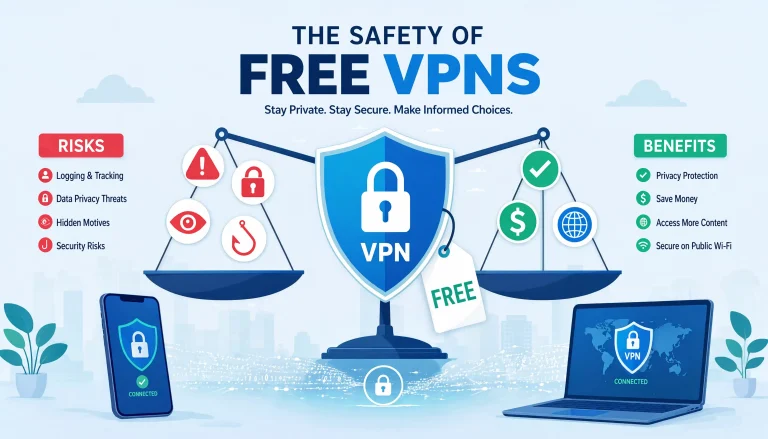
Is It Safe To Use A Free VPN? The Risks and Benefits
 VPNs & Proxies
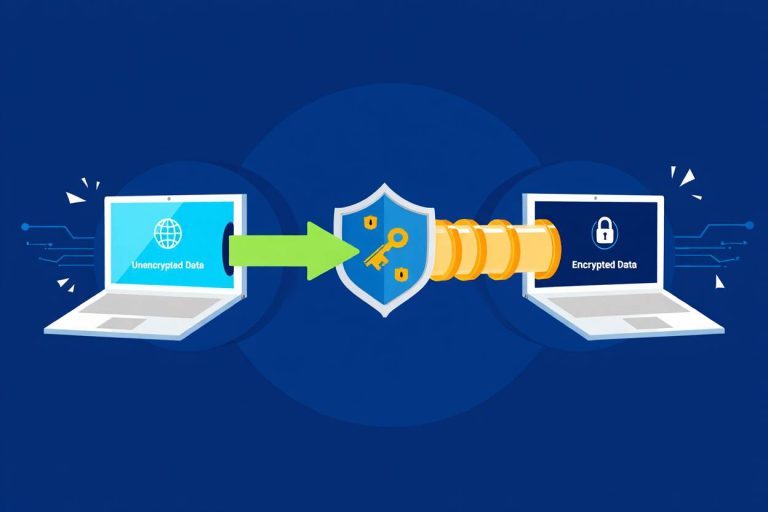
VPN Encryption Explained: How It Works, Protocols, and What It Protects
 VPNs & Proxies
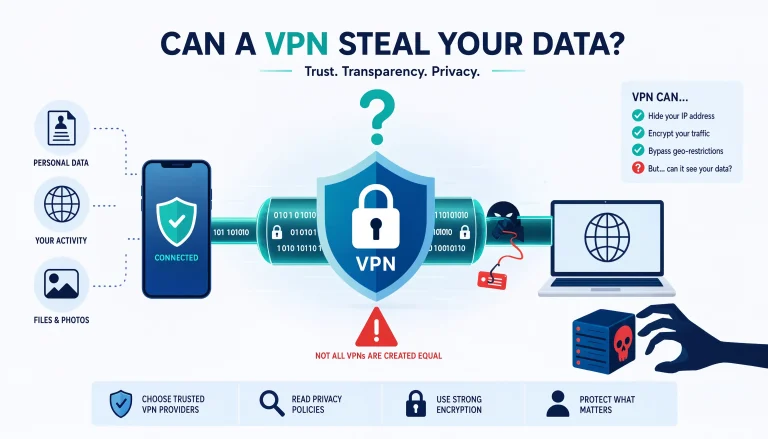
Can a VPN Steal Your Data? Understanding the Risks and Misconceptions
 VPNs & Proxies
Does a VPN Drain Battery? What You Need to Know Based on a Little Experience
 VPNs & Proxies
Should You Leave Your VPN On All the Time?
 VPNs & Proxies