

High ping in Fortnite can turn your Victory Royale dreams into a frustrating nightmare. If you’re dealing with lag, stuttering, or delayed responses during intense build battles, you’re not alone. Millions of players struggle with high ping issues that can make or break their gaming sessions.
When your ping shoots up during crucial moments, it affects everything from your ability to build quickly to landing those perfect headshots. The good news is that you can fix most ping problems with the right approach and techniques.
This guide will walk you through proven methods to reduce Fortnite ping and get back to smooth, responsive gameplay.
Understanding Ping and Its Impact on Fortnite Performance
Ping measures the time it takes for data to travel from your device to the game server and back. Think of it as a conversation delay – the higher your ping, the longer it takes for your actions to register in the game.
In Fortnite, good ping typically falls between 15-50 milliseconds. Anything above 100ms starts causing noticeable delays, while ping over 200ms makes the game nearly unplayable. You’ll notice your character moving sluggishly, builds appearing late, and shots not registering properly.
High ping affects multiple aspects of your gameplay experience. Your building speed slows down significantly, making it harder to protect yourself during fights. Weapon shots might not hit enemies even when your crosshair is perfectly aimed. You might also experience rubber-banding, where your character suddenly jumps back to a previous position.
The impact becomes even more pronounced during end-game scenarios with many players in small circles. Network congestion increases, and every millisecond counts when you’re trying to out-build opponents or make those clutch plays.
Understanding these effects helps you recognize when ping is the culprit behind your performance issues. Once you identify the problem, you can start implementing solutions to fix high ping in Fortnite effectively.
Common Causes of High Ping in Fortnite
Network congestion ranks as the top cause of high ping issues. When multiple devices in your home use the internet simultaneously – streaming videos, downloading files, or video calling – they compete for bandwidth. This competition slows down your Fortnite connection and increases ping.
Distance from game servers plays a crucial role in determining your ping. Epic Games operates servers in different regions, and connecting to distant servers naturally increases response time. If you’re on the East Coast connecting to West Coast servers, expect higher ping than connecting to nearby servers.
Outdated network drivers and game files can create connectivity problems. Your network adapter needs current drivers to communicate efficiently with game servers. Similarly, corrupted or outdated Fortnite files might cause connection issues that manifest as high ping.
Background applications consuming bandwidth often fly under the radar. Cloud backup services, automatic updates, and streaming applications can eat up your internet connection without you realizing it. These programs might start automatically and run in the background during your gaming sessions.
Poor Wi-Fi signals and interference commonly affect wireless connections. Physical barriers like walls, electronic devices, and distance from your router can weaken your Wi-Fi signal. Other wireless devices operating on the same frequency can also create interference that degrades your connection quality.
Quick Fixes for Immediate Ping Reduction
Restart your router and modem as your first troubleshooting step. Unplug both devices for 30 seconds, then plug in your modem first, wait 2 minutes, and plug in your router. This simple reset often clears temporary connection issues and refreshes your IP address.
Close unnecessary background applications that might be using your internet connection. Check your Task Manager (Windows) or Activity Monitor (Mac) for programs consuming bandwidth. Common culprits include torrent clients, streaming services, cloud storage sync, and automatic updates.
Switch to a wired connection if you’re currently using Wi-Fi. Ethernet cables provide more stable connections with lower latency than wireless connections. If running a cable isn’t possible, move closer to your router and ensure you have a strong Wi-Fi signal.
Change your DNS servers to faster alternatives like Google DNS (8.8.8.8 and 8.8.4.4) or Cloudflare DNS (1.1.1.1 and 1.0.0.1). These public DNS servers often respond faster than your ISP’s default DNS, potentially reducing your overall connection time.
Enable Game Mode on Windows 10/11 to prioritize gaming traffic and reduce background processes. Press Windows key + G to open Game Bar, go to Settings, and turn on Game Mode. This feature helps allocate system resources more efficiently for gaming.
Network Optimization Techniques
Quality of Service (QoS) settings let you prioritize gaming traffic on your network. Access your router’s admin panel by typing its IP address in your browser, then look for QoS or Traffic Control settings. Set gaming traffic to high priority to ensure Fortnite gets bandwidth preference over other activities.
Update your network drivers to ensure optimal performance and compatibility. Visit your network adapter manufacturer’s website or use Device Manager to check for driver updates. Outdated drivers can cause connectivity issues that increase ping and create connection instability.
Optimize your router placement for better signal strength and coverage. Position your router in a central location, away from walls and electronic devices that might cause interference. Elevate the router and ensure its antennas (if present) are positioned vertically for optimal signal distribution.
Configure port forwarding for Fortnite to improve connection stability. Forward ports 80, 443, and 3478-3479 for TCP, and ports 53, 88, 3478-3479 for UDP. This helps establish more direct connections between your device and Epic Games’ servers.
Monitor network usage to identify bandwidth-heavy applications and activities. Use built-in tools like Windows Resource Monitor or third-party applications to track which programs use the most bandwidth. Schedule large downloads and updates for times when you’re not gaming.
Gaming Router Settings and Configuration
Gaming routers offer advanced features specifically designed to reduce ping and improve online gaming performance. These routers include gaming-focused QoS, adaptive bandwidth allocation, and gaming accelerators that prioritize gaming traffic automatically.
Enable gaming acceleration features if your router supports them. Look for settings like Gaming Accelerator, Game Mode, or Adaptive QoS in your router’s interface. These features automatically detect gaming traffic and give it priority over other network activities.
Adjust wireless channel settings to avoid interference from neighboring networks. Use Wi-Fi analyzer apps to identify the least congested channels in your area. For 2.4GHz networks, channels 1, 6, and 11 typically work best. For 5GHz networks, try channels 36, 44, 52, or 60.
Configure MU-MIMO and beamforming if your router supports these technologies. MU-MIMO allows your router to communicate with multiple devices simultaneously, while beamforming focuses the Wi-Fi signal toward your gaming device for stronger, more stable connections.
Set up guest networks to separate gaming traffic from other household internet usage. Connect your gaming devices to a dedicated network while family members use the guest network for streaming, browsing, and other activities. This separation helps prevent bandwidth competition.
Server Selection and Region Settings
Choosing the right server region significantly impacts your ping in Fortnite. Epic Games automatically selects servers based on your location, but you can manually choose different regions if needed. Access server selection through the game’s settings menu under the Network tab.
Test different server regions to find the one with the lowest ping for your location. Sometimes servers in your immediate region might be overloaded, while slightly more distant servers offer better performance. Use the in-game ping display to compare different regions.
Consider server population and distance when making your selection. Heavily populated servers might have higher ping due to increased load, while servers too far from your location will have naturally higher ping due to distance. Find the sweet spot between proximity and server load.
Monitor server status through Epic Games’ official channels and community forums. Server issues, maintenance, and regional problems can temporarily increase ping. During these times, switching to alternative servers might provide better performance until issues resolve.
Time your gaming sessions around peak usage hours when possible. Servers typically experience higher loads during evening hours and weekends when more players are online. Playing during off-peak hours often results in lower ping and better overall performance.
Hardware Upgrades and Solutions
Upgrading your internet plan might be necessary if your current bandwidth can’t support gaming alongside other household activities. Contact your ISP to discuss higher-speed plans, especially if you frequently experience slowdowns when multiple devices use the internet simultaneously.
Investing in a gaming router can provide significant improvements over basic ISP-provided routers. Gaming routers offer advanced QoS features, better processors, and gaming-specific optimizations that standard routers lack. Popular options include ASUS ROG series, Netgear Nighthawk Pro Gaming, and Linksys WRT series.
Consider mesh networking systems for larger homes where Wi-Fi coverage is inconsistent. Mesh systems use multiple access points to create seamless coverage throughout your home, ensuring strong signals in every room where you might game.
Upgrade your network adapter if you’re using an older computer with outdated networking hardware. Modern network adapters support faster speeds and newer protocols that can improve connection stability and reduce ping.
Explore gaming VPN services that offer optimized routes to game servers. Some VPNs provide gaming-specific servers that can actually reduce ping by routing traffic through less congested paths. However, be cautious as VPNs can also increase ping if not properly configured.
Advanced Troubleshooting Methods
Registry tweaks can optimize your Windows network settings for gaming. Modify the TcpAckFrequency and TCPNoDelay registry values to reduce network delays. However, be extremely careful when editing the registry, as incorrect changes can cause system problems.
Flush your DNS cache to resolve potential DNS-related delays. Open Command Prompt as administrator and run “ipconfig /flushdns” followed by “ipconfig /renew”. This clears stored DNS information and forces your system to retrieve fresh DNS records.
Disable Windows updates during gaming to prevent automatic downloads from consuming bandwidth. While keeping your system updated is important, schedule updates for times when you’re not gaming to avoid interruptions and bandwidth competition.
Configure Windows firewall exceptions for Fortnite to ensure the game can communicate freely with Epic Games’ servers. Add both the Epic Games Launcher and Fortnite executable files to your firewall’s exceptions list.
Monitor system temperature as overheating can cause performance throttling that affects network performance. Use monitoring software to check CPU and GPU temperatures, and ensure your system has adequate cooling to maintain optimal performance.
ISP-Related Solutions
Contact your ISP if you’ve tried other solutions without success. Many ISPs offer gaming packages or can identify network issues affecting your connection. Be specific about your gaming needs and ask about options to improve ping and reduce latency.
Request a line quality check if you suspect physical connection problems. Old or damaged cables, loose connections, and line noise can all contribute to high ping and connection instability. ISP technicians can test and repair these issues.
Consider switching ISPs if your current provider consistently delivers poor gaming performance. Research ISPs in your area that advertise low-latency connections or gaming-focused services. Some ISPs specialize in serving gamers and offer better ping performance.
Negotiate for better service or ask about business-class internet if residential service isn’t meeting your needs. Business plans often include better uptime guarantees, faster repair times, and sometimes better routing to gaming servers.
Document connection issues with speed tests and ping measurements taken at different times. This data helps when discussing problems with your ISP and can support requests for service improvements or billing adjustments.
Monitoring and Maintenance Tips
Regularly test your internet speed using reliable speed test websites like Speedtest.net or Fast.com. Document your results to track performance over time and identify patterns or degradation in service quality.
Use in-game network statistics to monitor your ping during gameplay. Most games, including Fortnite, display real-time ping information. Pay attention to ping spikes and note when they occur to identify potential causes.
Schedule regular router maintenance including firmware updates and setting reviews. Router manufacturers frequently release updates that improve performance and security. Check for updates monthly and install them during off-peak hours.
Monitor your network for unauthorized usage that might be consuming bandwidth without your knowledge. Change your Wi-Fi password regularly and check connected devices lists to ensure only authorized devices access your network.
Keep gaming logs to track when ping issues occur and what might have caused them. Note the time of day, other network activities, weather conditions, and any recent changes to your setup. This information helps identify patterns and solutions.
Frequently Asked Questions
Does using a VPN reduce ping in Fortnite?
No, in most cases, VPNs increase ping rather than reduce it. VPNs add an extra step in the connection process by routing your traffic through additional servers. However, some gaming VPNs claim to offer optimized routes that might reduce ping in specific circumstances, such as when your ISP has poor routing to game servers.
Can changing DNS servers fix high ping issues?
Yes, changing DNS servers can sometimes improve ping, but the effect is usually minimal. Faster DNS servers like Google DNS or Cloudflare DNS can reduce the time it takes to resolve server addresses, but they don’t directly affect the connection speed to game servers. The improvement is typically only a few milliseconds.
Will upgrading my internet speed automatically fix high ping?
No, higher internet speeds don’t automatically mean lower ping. Ping measures response time, not bandwidth. You can have a very fast internet connection but still experience high ping due to distance from servers, network congestion, or routing issues. However, insufficient bandwidth can contribute to high ping during heavy usage.
Does Wi-Fi always have higher ping than wired connections?
Yes, Wi-Fi connections typically have higher and less consistent ping than wired Ethernet connections. Wireless signals can be affected by interference, signal strength, and protocol overhead, all of which can increase latency. Wired connections provide more stable and lower-latency connections for gaming.
Can background downloads cause high ping even with fast internet?
Yes, background downloads can significantly increase ping even on fast internet connections. When your bandwidth is saturated by downloads, it creates network congestion that increases response times. This is why it’s important to pause downloads and limit background applications while gaming.
Useful Resources and Additional Resources
- Epic Games Official Support: Access the latest troubleshooting guides and server status updates directly from Epic Games’ support website
- Speedtest by Ookla: Test your internet speed and ping to various servers worldwide to identify connection issues
- PingTest.net: Specialized tool for testing ping, jitter, and packet loss to gaming servers
- Router Manufacturer Support Pages: ASUS, Netgear, Linksys, and other manufacturers provide detailed setup guides for gaming optimization
- Reddit Gaming Communities: r/FortniteCompetitive and r/pcgaming offer community-driven solutions and discussions about ping issues
- ISP Gaming Support: Many major ISPs have dedicated gaming support teams and optimization guides
- Network Monitoring Tools: Applications like GlassWire, NetWorx, and PRTG help monitor network usage and identify bandwidth-consuming applications
Conclusion
Fixing high ping in Fortnite requires a systematic approach that addresses both immediate issues and long-term optimizations. Start with quick fixes like restarting your router, closing background applications, and switching to a wired connection for immediate improvements.
For lasting results, focus on network optimization through proper router configuration, QoS settings, and hardware upgrades when necessary. Remember that consistent monitoring and maintenance help you catch issues early and maintain optimal performance.
Don’t overlook the importance of choosing the right servers and working with your ISP when needed. Sometimes the solution involves external factors beyond your direct control, but persistence and the right approach will get you back to smooth, low-ping gaming.
The key to success lies in testing different solutions methodically and documenting what works for your specific setup. Every network environment is unique, so what works perfectly for one player might need adjustment for another.
With these techniques and strategies, you’ll be well-equipped to tackle high ping issues and enjoy the responsive, competitive gameplay that Fortnite deserves. Remember to stay patient during the troubleshooting process – the improved gaming experience will be worth the effort.
You May Also Like
 Computers & PC Games
How to Allocate More RAM to Minecraft: Complete Guide for Better Performance
 Computers & PC Games
How Much RAM Do You Need for a Minecraft Server?
 Computers & PC Games
What Internet Speed Do I Need For Gaming and Streaming?
 Computers & PC Games
Does a VPN Really Improve Minecraft Ping and Performance?
 Internet
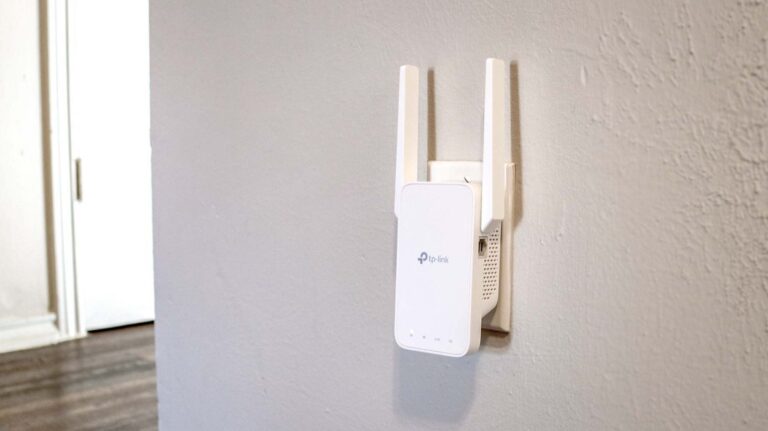
The Best Places to Put a WiFi Extender in a 2-Story House
 Computers & PC Games